- Main page
- Site map
- FAQ
- Manufacter of computer «Byte»
- Statistics of production
- Appearance
- Equipment
- Mainboard and components
- Main Board PCB
- Thermal regime and heating elements
- CPU
- RAM
- ПЗУ
- Видеовыход
- Звуковая подсистема
- Подключение питания
- Типичные неисправности
- Статистика отказов
- Драгметаллы на плате
- Клавиатура
- Описание работы
- Чистка клавиатуры (вариант 1)
- Чистка клавиатуры (вариант 2)
- Источник питания
- Программное обеспечение компьютера «Байт»
- Скачать программы и игры для «Байта»
- Кассеты как носители информации
- Обзор игр на кассетах
- Дополнительные кассеты от БП ВТИ
- Общая информация
- Кассета «Набор 2»
- Кассета «Набор 4»
- Кассета «Набор 6»
- Кассета «Набор 7»
- Кассета «Набор 8»
- Кассета «Набор 11»
- Программная защита «Церикопик»
- Описание портов компьютера «Байт»
- «Old» version of the computer
- Встроенный в ПЗУ тест памяти
- ПЗУ с тестами памяти для ZX-Spectrum (и компьютера «Байт»)
- Эмуляторы компьютера «Байт»
- Видео по компьютеру «Байт»
- Восставшие из могилы (отчёты о ремонте некоторых «Байтов»)
- Общая информация
- Комплект поставки
- Процессорный модуль (клавиатура)
- Адаптер для подключения КВУ
- Контроллер внешних устройств (КВУ)
- Описание портов «Байт-01»
- Особенности программного обеспечения «Байт-01»
- Контроллеры дисковода (BDI)
- Заводские
- Новодел от Prusak
- Floppy disk drives
- Photo gallery of disk drives
- Электроника МС5305
- Электроника МС5311
- Электроника МС5313
- Электроника МС5350
- ЕС5325
- Дисководы Teac (общая информация)
- Teac FD-55F
- Teac FD-55FR
- Teac FD-55GFR
- Panasonic JU-475-3
- Panasonic JU-475-4
- Panasonic JU-475-5
- Mitsumi D509V2
- Mitsumi D509V3
- Mitsumi D509V5
- Epson SD-600
- Epson SD-680L
- Epson SD-700
- MF58D
- Canon MD5501A
- NEC FD1155C
- NEC FD1157C
- Подключение джойстика
- Подключение к магнитофону
- Подключение HDD
- ROM-диск
- Плата тестового ПЗУ
- DivMMC
- Подключение к телевизорам и мониторам
- Подключение к телевизорам и CGA мониторам
- Подключение к VGA, SVGA мониторам
- Адаптер для подключения к телевизорам и CGA/EGA мониторам
- Адаптер для подключения к телевизорам и CGA/EGA/VGA/HDMI мониторам
- Расширение объёма ОЗУ
- до 128К
- до 256К
- до 1МБ
- принципы работы схем расширения ОЗУ
- Скачать всевозможную документацию и программы по теме сайта
- Download schematics and documentation for the «Byte»
- Скачать схемы и документацию по компьютеру «Байт-01»
- Spectrum compatible computers
- Pentagon моей мечты (Pentagon-128)
- Pentagon-48
- Pentagon-1024
- Baltic
- Пик
- Ленинград-1
- Общее описание
- Доработки видеовыхода
- Прочие доработки
- Ленинград-2
- Интер (Квант)
- Этон
- Инфотон-030
- Ратон-9003 на дискретах
- Ратон-9003 на БМК
- SpeccyBob
- Астра
- Компаньон
- Компаньон-2
- ALF TV Game
- Описание
- Игры на оригинальных картриджах
- Любительские образы картриджей
- Доработки и апгрейд приставки
- Расширение памяти до 128К
- Информация по программированию приставки
- Реплики приставки (новодел)
- Tooling for forming ULA T34VG1 leads
- Новодельный универсальный картридж
- Новодельный универсальный джойстик
- Процесс сборки образа картриджа
- Советские компьютеры
- История создания Микро-80, Радио-86РК и Микроша
- Радио-86РК
- Микро-80
- Микроша
- ЮТ-88
- Общее описание
- Программное обеспечение
- Орион-128
- МК-88
- DC/DC преобразователь напряжения для питания КР580ВМ80
- ZX-Spectrum peripherals
- Контроллер дисковода С-48
- DMA Ultra Sound Card
- Брутальная Kempston mouse
- Sound card «SID-Blaster/ZX»
- Энергонезависимые RTC часы в ZX-Spectrum
- Контроллер AT-клавиатуры и COM-мыши
- Магнитофоны и магнитолы «Беларусь»
- Общая информация
- Беларусь М-310С
- Беларусь М-410С
- Беларусь М-322С
- Беларусь М-322С-1
- Беларусь РМ-220С
- Беларусь РМ-225С
- Беларусь РМ-223С-1
- Источник питания «Беларусь»
- Электронные игры и приставки
- Игровая приставка на К145ИК17
- Электронная игра «Воздушный бой»
- ОС iS-DOS и TASiS
- Скачать софт для iS-DOS/TASiS
- Монтирование образа *.img
- Разбиение винчестера на устройства
- Работаем с форматом *.fdi в iS-DOS
- Некоторые вопросы несовместимости версий систем iS-DOS
- Распаковка архивов *.ipc
- Мусорка
- Ссылки по теме сайта
- Donate
- Site news
- Contacts
- Блог
- Nikon Z8
- Инструментарий
- Логический пробник
- Справочник по некоторым специфическим микросхемам
- КР1013РЕ1 (КР563РЕ2)
- КА1515ХМ1-216 (Т34ВГ1)
- KA1515XM1-433, KA1515XM1-458
- КА1515ХМ1-6006, KA1515XM1-6008
- События
- Выставка ретро-компьютеров в Минске 28.07.2012
- Выставка ретро-компьютеров в Минске 5-15.09.2015
Spectrum-compatible computers «Byte»,«Byte-01» and other rarities



This site is dedicated to the Spectrum-compatible computers, «Byte», «Byte-01» rarity, and other computers and peripherals, with whom I had to deal with. (Do not confuse this machine with the same computer «Byte», which was produced at the «Dniester» plant in the city of Bender in Moldova). If this is your first visit to the site, it might be a good idea to start by reading F.A.Q. on the «Byte» computer.
I spent my childhood in the late 80s and 90s, when the family computer ZX-Spectrum were widespread, especially among teenagers. Game consoles such as «NES», then were not very popular, so parents of my friends bought the game for the «Bytes», «Leningrad», «Baltic» and the other clones ZX-Spectrum. Most common were «Bytes». There were several reasons - they were made in Brest town in large quantities 60k+ pcs (I live in Belarus, so «Brest BEMZ» plant can be considered as local major producer of Spectrum), had a good design and description, sold almost all radio stores in regional centers, easily connected to any television.
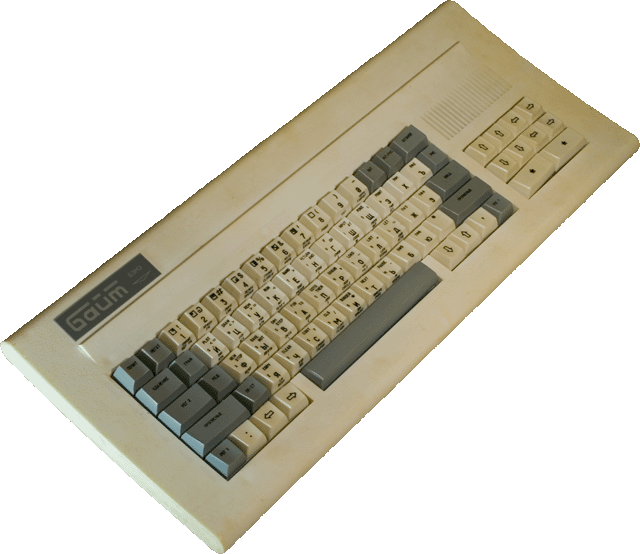
The computer «Byte» was so popular that even wrote about it on the walls:
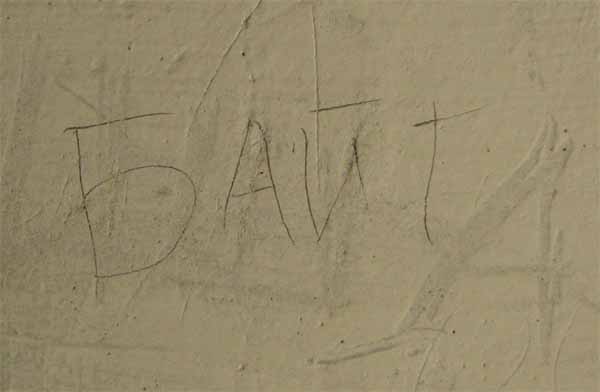
How many games were replayed... The first tape, then floppy, the first program in BASIC, at the Assembler...
Then I grew up, but interest in the Spectrum was not lost. Passed through my hands a lot Spectrum and «Bytes» as well. Some were repaired, while others went to the parts to repair other computers. Over time, accumulated some material on «Byte», which I decided to share.
I would be glad if the information from this site will help you learn something new, modify, restore or repair your «Byte» or any other computer.
Please note: This website is not fully translated into English.
Last news
You can subscribe to receive site updates notifications by E-Mail.
25 June 2026
Computer «Byte»
Case for DivMMC on discrette elements
A case has been developed for DivMMC board.
A detailed description of the case can be found in the article on the website.

5 February 2026
I′ve decided to start a series of publications on the basics and principles of increasing RAM capacity in ZX-Spectrum computers.
The first part - increasing RAM capacity to 128K for computers with a single RAM line (using the Leningrad-1 clone as an example).
20 January 2026
A DivMMC board based discrette elements has been developed for the «Byte» computer. It is based on a design by AlexEKB.
A detailed description of the device can be found in the article on the website.
13 January 2026
Starting today, the site is changing its domain from zxbyte.ru to zxbyte.org.
All previous links to zxbyte.ru continue to work as before.
9 December 2025
A bit of history
Any Spectrum enthusiast can tell us something similar – each of us has our own unique story about how our passion for computers began.
I decided to give it a try, too. I′ve described my journey as best I could. How successful it was is up to you to judge .
24 July 2025
Процесс сборки игр и образов картриджей теперь полностью сделан в среде Windows.
В связи с этим полностью переписан раздел «сборка образа картриджа».
13 July 2025
Давно не было обновления софта для iS-DOS... За то время, пока я занимался адаптацией игр для приставки «Эльф» и написанием сборщика образа картриджей, пришлось переделать пару утилит и написать несколько новых программ для iS-DOS. Чтобы «добро» не пропадало, выкладываю всё это на сайт.
put.com, romclue.com, romadd.com, fcreate.com, hddcopy.com, null.com
Все утилиты доступны для загрузки в разделе программ для iS-DOS. «Свежие» программы выделены красным цветом.
11 July 2025
Для упрощения сборки образов картриджей из уже адаптированных игр написан на языке Python сборщик для Windows.
Также были переписаны загрузчики уже адаптированных игр, добавлены меню читов.
Игра «Вертолёт» (Airwolf II) заменена на исправленную (адаптация - krt17). В прежней версии игры были глюки в виде посторонних звуков в определённых моментах игрового процесса.
Все подробности читаем здесь.
2 February 2025
Новая разработка для приставки «Эльф» - картридж с возможностью смены микросхем ПЗУ. Микросхема вставляется с ZIF-панель. Такой картридж пригодится в случае разработки/отладки игр в образах ПЗУ, а также в случае, когда не хочется делать много картриджей. Достаточно иметь один готовый картридж, и только менять в нём микросхемы ПЗУ с играми.
Читаем про новый картридж в статье.
29 January 2025
Добавлена информация по дисководу Epson SD-600 и его перемычкам.
25 January 2025
Для картриджа, описанного в статье, вдобавок к версии платы для микросхем в корпусах SOIC, разработана плата для установки микросхем мелкой логики (КР1533ТМ9 и ИД7) в корпусах DIP.
Обе версии платы одинаковы по размерам и крепёжным отверстиям.
Всю информация по новой версии платы картриджа, а также gerber-файлы для заказа платы можно найти в статье по ссылке выше.
22 December 2024
Представляю 1МБ образ картриджа «Эльф-11» с адаптациями игр от san0101010. Скачать образ можно тут.
26 November 2024
Мало адаптировать игру для приставки «Эльф», надо поместить её в ПЗУ картриджа. Это процесс трудоёмкий и нудный для ручной работы, поэтому я его автоматизировал.
Для тех, кто сам хотел бы заниматься адаптацией игры для приставки «Эльф», описан процесс сборки образа картриджа ПЗУ.
Кроме того, на этой странице сайта вы сможете скачать все адаптированные на данный момент игры, и собрать из них свой образ картриджа, разместив игры в любой последовательности.
The full news archive is located here.
Spectre, Дмитрий Пугачев, Byteman - hosting;
Thanks to...
Phoenix - assistance with graphic design;
Ehot - images of cassette tapes from an «old-style» Byte computer;
RL76, Backa - ROM firmware with Disk Monitor for the «Baltic» computer;
Gelip - Some videos, digitizing a cassete for a computer «Byte»;
Артур Бурин, Сергей Качалов - RAM extention scheme for a «Byte» computer up to 1 MB;
Mdesk - Help setting up a Pentagon48 computer;
Andreil - a donated Raton computer on discrettes chips;
Garnizon - Teac FDD jumpers description;
DDp - Digitization of cassettes with copy protection «Cerikopik»;
Pepsiman - adaptation of some «Byte» games for loading on regular ZX-Spectrums;
Silensilen - cartridges for ALF TV Game;
krt17 - Adaptation of games for the ALF TV Game and assistance in disassembling the addressing of the internal ports of the ULA T34VG1.
And many, many others...
© 2009-2026, Prusak